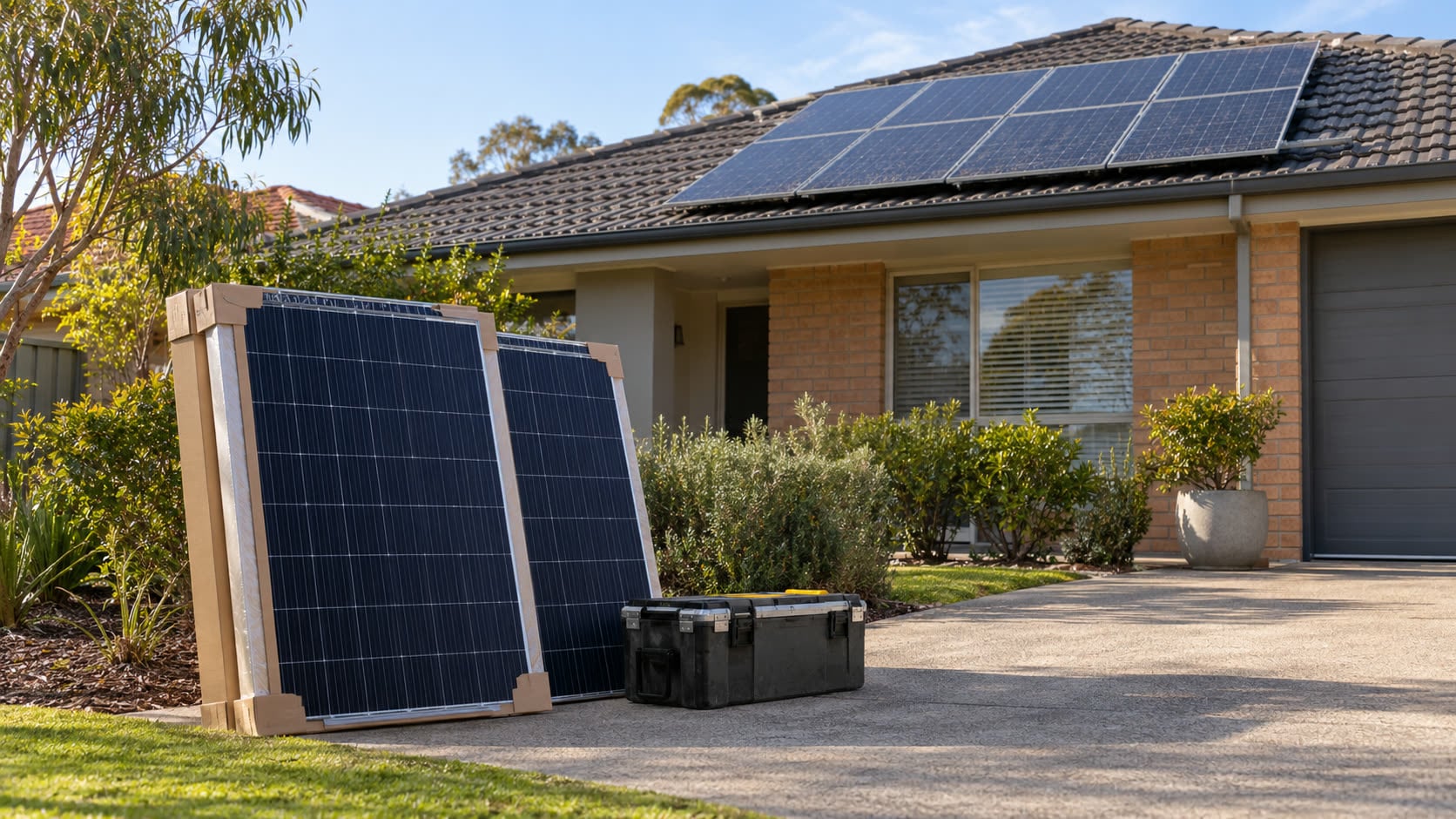
Can You Add Solar Panels to an Existing System?
Check roof space, the existing inverter and your electricity use before asking for a solar panel addition quote.
 Randy Osifo-Doe
Adding solar panels to an existing system can be possible, but a working system is not automatically ready for more panels. The useful first question is what you want the extra generation to do. Has your daytime electricity use changed, are you planning an EV, or does the current system simply produce less than it once did?
Those are different problems. If output has dropped, get the existing system checked before buying more capacity. If your needs have grown, ask for an addition design that names what will stay, what must change and where the new panels would go.
Start with the system you have
Find the original panel and inverter specifications, roof layout, connection paperwork and recent monitoring history. If the documents are missing, ask an accredited installer to identify the equipment and assess its condition. Do not assume an old installation date means the whole system needs replacing; the repair, upgrade or replace guide explains that distinction.
Compare generation on similar clear days over time. A new shade pattern, inverter fault or maintenance issue can make a healthy-sized system look too small. The solar monitoring guide helps separate generation from household use and grid exports. A panel addition should respond to a real change in demand or design goal, not cover up an unresolved fault.
Check whether the roof and equipment can take an addition
The Australian Government's solar design guidance says panels can sometimes be added to an existing system. Whether they can join the current setup depends on its configuration. New panels may need to match the installed ones to connect to the same inverter; in other cases, a different inverter or separate design may make more sense.
That is a job for a qualified designer and installer to assess. Ask them to show the proposed roof face, panel count and the equipment each new panel group connects to. Roof direction, usable area, vents and shade all matter. If a nearby tree shadows only the proposed location, the extra panels may not perform like the existing array. Use the site visit versus satellite quote checklist to question assumptions that are hard to confirm remotely.
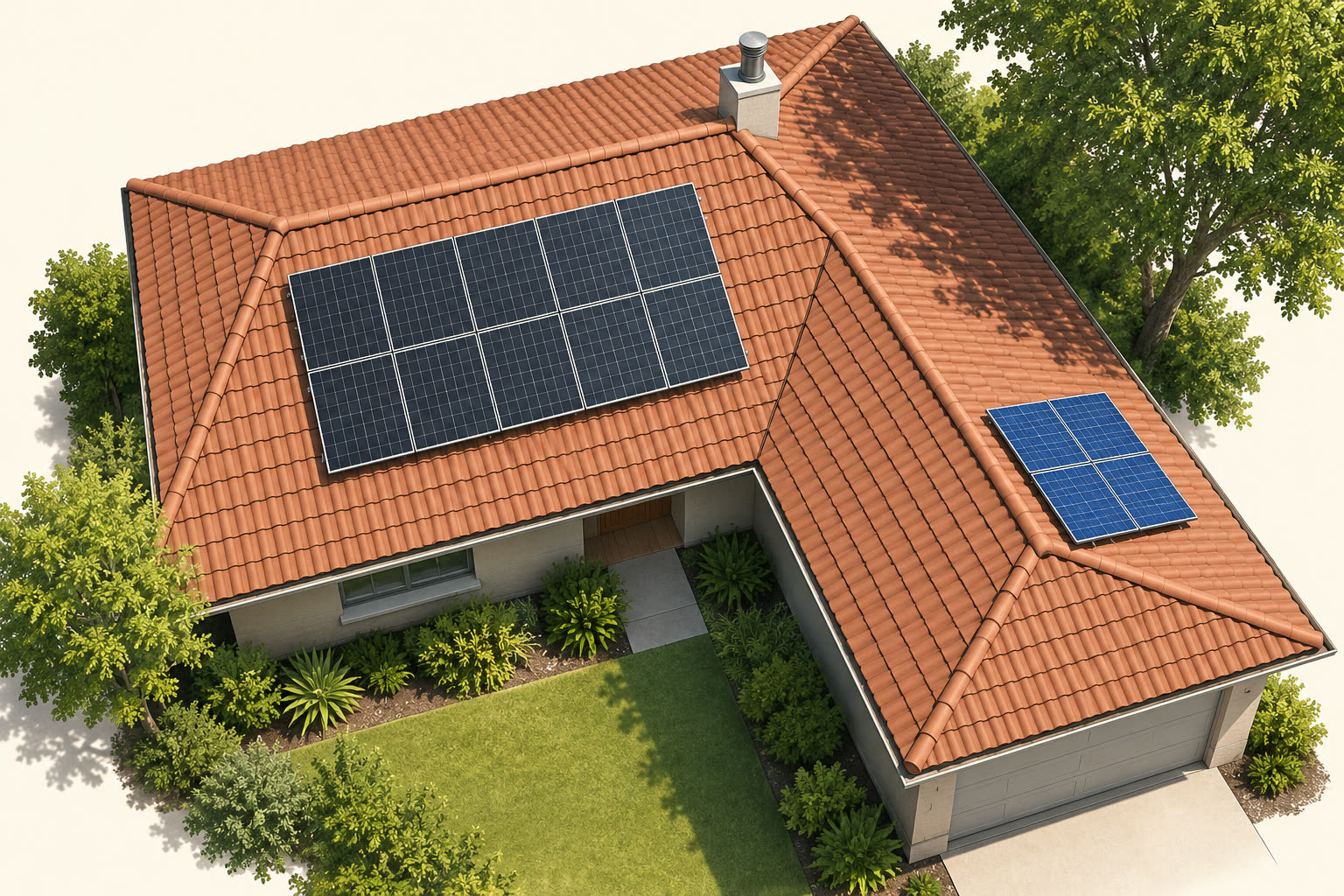
This is a layout discussion aid, not a wiring plan. An installer must assess the roof, shade and electrical design at your property.
Compare the addition with what you will use
Extra panel capacity does not tell you when the extra electricity will be available. The Government's system sizing guidance asks homeowners to consider both present and future electricity use. A household that can shift an EV charge or water heating into daylight has a different pattern from one that uses most electricity after sunset.
Ask for a revised generation estimate for the whole system, with the new roof layout and shade assumptions shown. Then keep generation, self-use and exports as separate figures. The generation estimate guide gives you a way to compare the assumptions on two proposals without treating either forecast as a promise.
The network connection is part of the design discussion too. The Government's connection guide explains that distributor agreements can limit inverter size or exports. Ask the installer to check what approval or change is needed at your address and to show the result in the written proposal. Rules and processes differ by network area, so a neighbour's arrangement is not your approval.
Ask for two clear options
If the existing equipment is sound, ask for a quote that keeps it and adds capacity. If the inverter or layout limits that path, ask for a second option that names the components to be replaced. Compare the options on the same written scope:
| Question | What to request |
|---|---|
| What stays? | Existing panels, inverter, mounting, monitoring and warranties |
| What is added? | Panel count, location, inverter or other equipment and expected generation |
| What else changes? | Roof work, switchboard or meter work, connection approval and monitoring setup |
| Who owns follow-up? | Installer contact, commissioning documents and warranty responsibility |
Do not compare a small add-on quote with a full replacement quote by total price alone. First check whether each solves the same need and includes the same work. If the proposed design changes before installation, the quote change checklist shows how to get the differences in writing.
The calm next step is to collect your current system details and a few months of monitoring, then ask an accredited installer to assess the addition on site. Request a diagram and written explanation of why the retained equipment and new design fit together.
Sources checked
Last reviewed September 2026
This guide is reviewed against current Australian solar policy and market guidance where available. Confirm retailer prices, rebates, and product eligibility before making a purchase decision.
Randy Osifo-Doe is the Brisbane-based founder and lead writer of Aussie Solar Guide. His background is in finance, banking and household budgeting, and he writes from lived experience as a solar homeowner. He is not presented as an engineer, electrician, solar installer or renewable-energy professional.