
Solar Generation Estimates: How to Compare Quotes
Learn which assumptions sit behind a solar generation estimate and compare annual output figures across Australian rooftop solar quotes.
 Randy Osifo-Doe
A solar generation estimate tells you how much electricity a proposed rooftop system may produce over a period, usually in kilowatt-hours (kWh) per year. It is more useful than the panel capacity alone, but only when the quote explains the roof, shade, location and system assumptions behind it.
Two quotes can show the same system size in kilowatts (kW) and still give different annual kWh figures. That does not automatically make one right and the other wrong. It means you need to compare how each estimate was built before comparing the headline result.
Start with kW and kWh
System size in kW describes the combined rated power of the panels under standard test conditions. Estimated generation in kWh describes the electricity the system may produce across a day, month or year.
The Australian Government's solar panel guidance explains that actual generation varies with location, weather, season, roof slope, panel direction, dirt, shade and other system factors. A panel rating is therefore an input to the estimate, not a promise of everyday output.
If those units still feel too similar, the kW versus kWh guide separates the power and energy figures found across a solar quote.
Ask for the assumptions, not just the annual figure
The Australian Government's quote guidance says a quote should include expected electricity output or estimated monthly and annual savings, ideally both, with the assumptions clearly shown.
For the generation estimate itself, ask each retailer to show:
- the panel quantity, panel rating and total array capacity
- the roof planes used, including direction and slope
- how existing and future shade was considered
- which location and solar-resource data informed the estimate
- which system losses were allowed for
- whether the figure is annual only or includes a monthly profile
- whether network export limits or curtailment are shown separately
This is where I think homeowners should slow down. A very precise annual number can still rest on broad inputs. Precision on the page is not the same thing as certainty on the roof.
Compare the same period and system boundary
Before deciding that one quote predicts more output, make sure the figures cover the same period and the same part of the system.
| Quote check | What you want to see |
|---|---|
| Time period | Annual kWh, plus monthly estimates where available |
| System design | The exact panel count, rating and roof layout being quoted |
| Site inputs | Your address or climate region, roof direction, slope and shade |
| Loss assumptions | A clear allowance for real operating conditions |
| Output type | Total solar generation separated from self-use, exports and savings |
Annual generation is not the same as electricity-bill savings. Savings also depend on when your household uses power, how much solar is exported and the electricity plan applied to the calculation. Keep the generation figure separate until the physical output assumptions make sense.
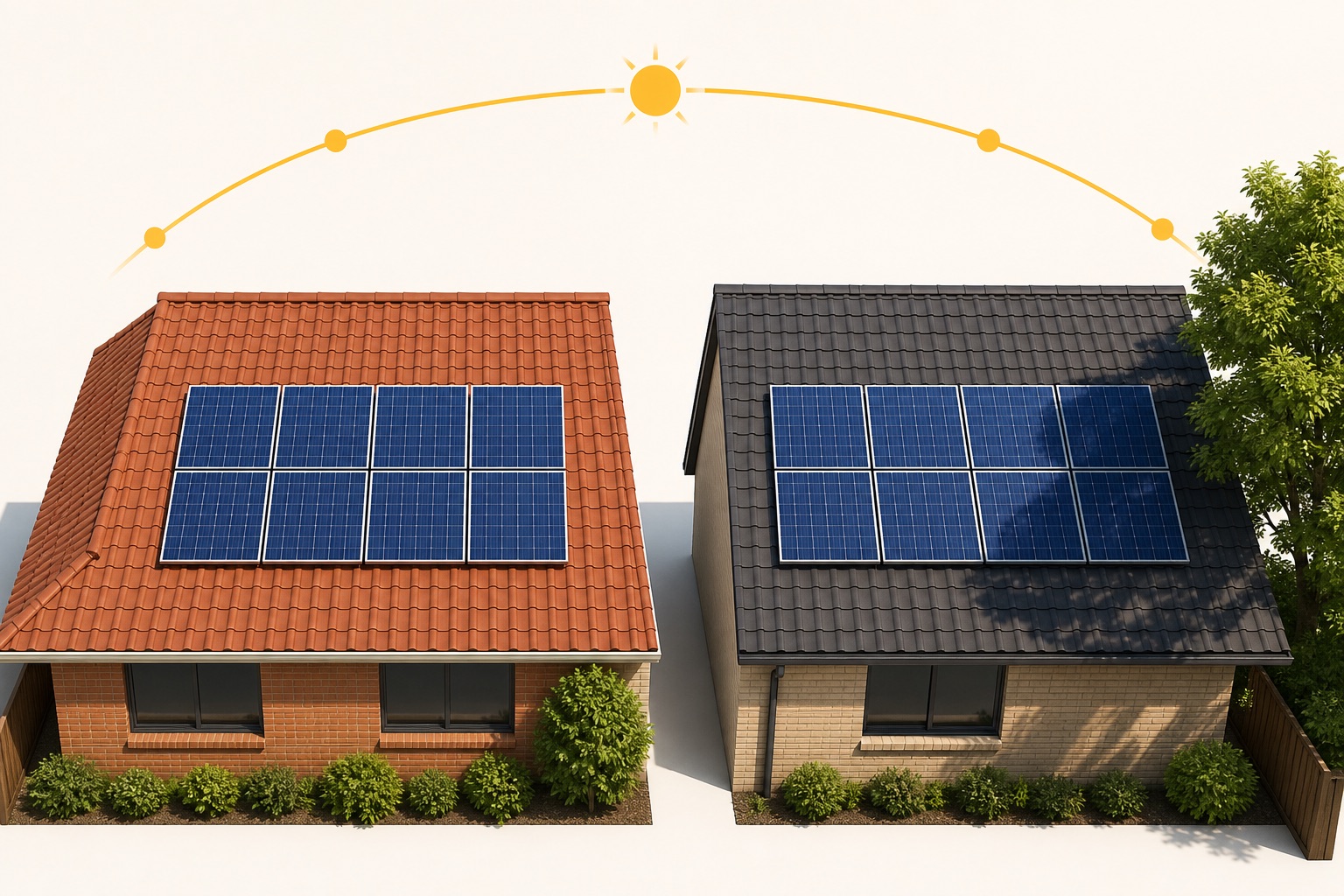
The same panel capacity can receive a different generation estimate when site conditions differ. This illustration is conceptual and is not a performance forecast.
Check roof and shade inputs closely
The Australian Government's system-sizing guidance recommends asking how accurate an estimate is and which assumptions the retailer used. It also notes that local sunshine, available roof area and household needs all affect the design.
If a quote was prepared remotely, ask how the roof shape, obstacles and shade were assessed. An onsite visit can reveal details that are easy to miss in satellite imagery. The solar panel shading checklist gives you a focused set of questions for trees, buildings and seasonal shade.
Solar Victoria's quote guidance also says the expected performance should include electricity production in kWh per year. That gives you a consistent starting unit, even if the modelling methods differ.
Use a simple cross-check before signing
Run the proposed system through the solar calculator using the same location and household inputs. A calculator will not replace a site-specific design, but it can show whether a quote sits in a broadly similar range and help you identify which assumption needs explaining.
Then put the same five questions to every retailer:
- What annual and monthly generation does this exact layout predict?
- Which roof, shade and weather inputs were used?
- Which losses are included in the model?
- Is the figure total generation, or has it been mixed with exports or savings?
- What would make actual generation materially different from the estimate?
Keep the written answers with the quote. If you want another proposal, use the quote comparison path after you have defined the output assumptions you want every retailer to address.
Sources checked
Last reviewed August 2026
This guide is reviewed against current Australian solar policy and market guidance where available. Confirm retailer prices, rebates, and product eligibility before making a purchase decision.
Randy Osifo-Doe is the Brisbane-based founder and lead writer of Aussie Solar Guide. His background is in finance, banking and household budgeting, and he writes from lived experience as a solar homeowner. He is not presented as an engineer, electrician, solar installer or renewable-energy professional.