
Battery Usable Capacity vs Nominal Capacity on a Quote
Learn why two home batteries with similar headline capacity can provide different usable energy, and which figures to compare before accepting a quote.
 Randy Osifo-Doe
Battery usable capacity vs nominal capacity is a small wording difference that can change how you read a home battery quote. Nominal capacity is the total energy the battery can hold. Usable capacity is the portion available for normal use under the manufacturer’s operating limits.
That means two quotes can show a similar headline battery size without offering the same usable energy. This is where I think homeowners should ignore the biggest number for a moment and ask what the system can actually deliver under the proposed settings.
What the two capacity figures mean
The Australian Government’s Your Home battery guide defines nominal capacity as the total amount of energy a battery can hold. Usable capacity is what can be used after allowing for the manufacturer’s recommended depth of discharge.
Depth of discharge, often shortened to DoD, describes how far the battery can be discharged safely. A battery management system controls charging and discharging so the battery operates within its limits.
The practical distinction is simple:
- Nominal capacity tells you the size of the full storage envelope.
- Usable capacity tells you how much of that envelope is available under the stated operating conditions.
Neither figure tells you how quickly the battery can power appliances. That is a separate power rating measured in kW, which the kW vs kWh guide explains in more detail.
Compare like with like on a quote
The ACCC’s solar and home battery guidance recommends comparing quotes for the same panel or battery size and checking that the system matches your capacity needs. To do that properly, ask each retailer to identify the same fields.
| Quote field | What it answers | What to clarify |
|---|---|---|
| Nominal capacity in kWh | How much energy the battery can hold in total | Is this the headline or model-name figure? |
| Usable capacity in kWh | How much stored energy is available under stated limits | Does this change with the proposed settings? |
| Depth of discharge | How far the battery is designed to discharge | Is it a limit, recommended setting or warranty condition? |
| Reserve setting | How much charge may be held back for a purpose such as backup | Is reserve included in the usable figure shown? |
| Continuous power in kW | How much power the battery can supply steadily | Which household loads can run together? |
Do not calculate usable capacity from a percentage unless the quote confirms which capacity figure that percentage applies to. Ask for the usable kWh figure in writing instead.
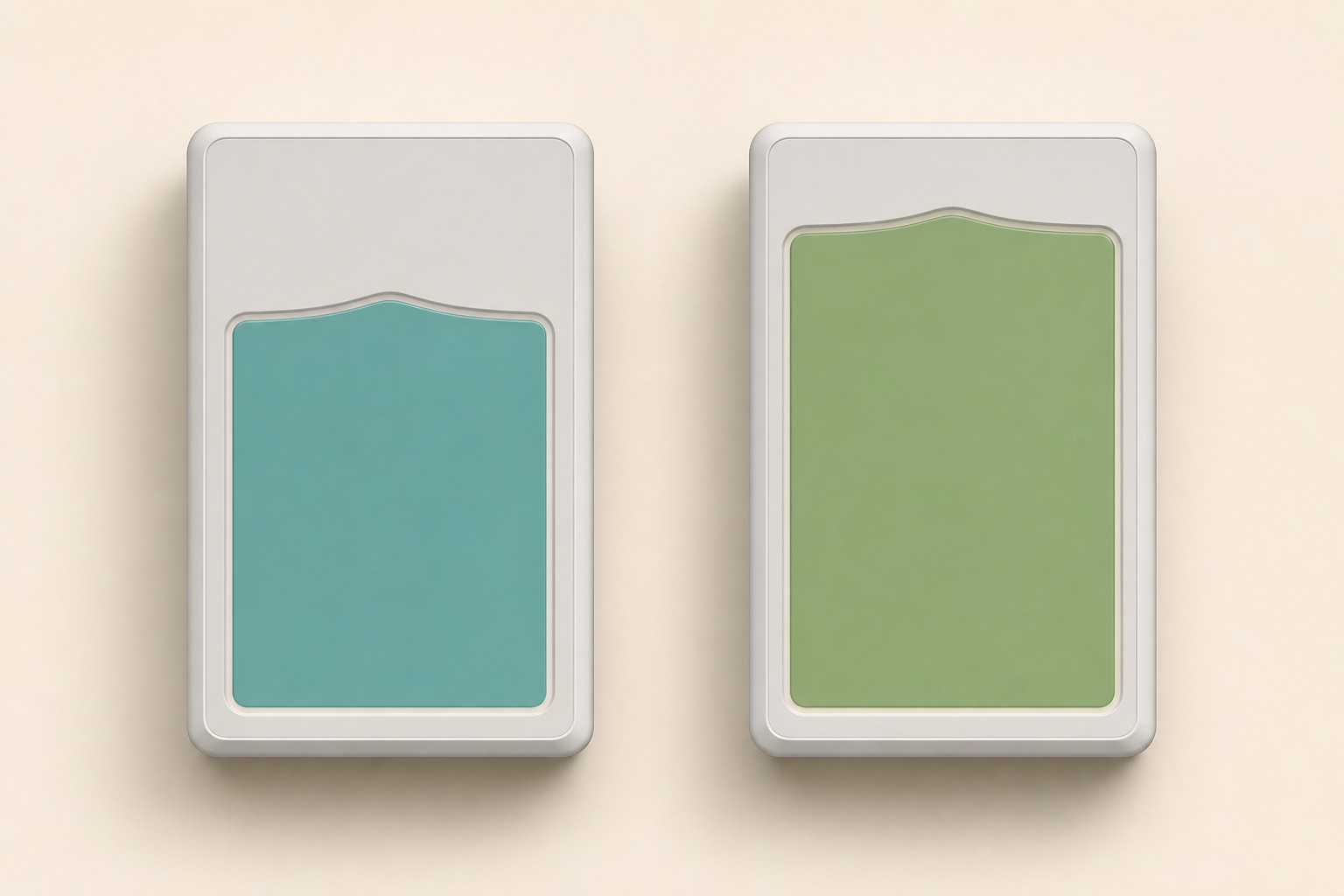
The coloured inner areas represent different usable portions within a total storage envelope. This is a concept, not a product comparison or installation diagram.
Reserve settings can affect what you use
A battery may hold some charge in reserve, particularly when backup power is part of the design. The Australian Government’s battery guidance notes that battery management systems can be configured for backup, bill management or virtual power plant participation.
This does not mean every reserve is fixed or that every system treats it the same way. Ask whether the usable capacity on the quote is a product specification, the energy available after the proposed reserve, or both. If blackout support matters, also confirm whether the design backs up selected circuits or the wider home. The grid-connected vs off-grid guide explains why a battery does not automatically provide backup during an outage.
Capacity is not the same as delivered energy
Usable capacity is still not a promise that every stored kWh will reach your appliances. Charging, discharging, electronics and power conversion use some energy. Your Home describes round-trip efficiency as the energy delivered over a discharge cycle compared with the energy used to charge the battery.
So keep three questions separate:
- How much energy can the battery hold in total?
- How much is available under the proposed settings?
- How much is expected to reach household loads after system losses?
The third answer depends on what equipment and measurement boundary the quoted efficiency covers. Ask the retailer to explain the basis rather than treating one percentage as universally comparable.
What to ask before you accept the quote
Use this short written checklist:
- What are the nominal and usable capacities in kWh?
- What depth-of-discharge limit or operating setting supports that usable figure?
- Is any backup reserve deducted from the energy I can use day to day?
- What continuous power rating applies to the proposed system?
- Which efficiency figure is quoted, and what equipment does it include?
- Are any warranty conditions linked to discharge, cycles or energy throughput?
Then compare the usable capacity with your evening and overnight demand, not simply total daily consumption. The battery sizing guide can help you frame that next conversation, and the battery calculator can give you a planning view before you request written assumptions.
The calmer decision is not to chase the battery with the largest headline number. It is to compare the same capacity, power, reserve and efficiency fields across every quote and check how they fit the way your household uses electricity.
Sources checked
Last reviewed August 2026
This guide is reviewed against current Australian solar policy and market guidance where available. Confirm retailer prices, rebates, and product eligibility before making a purchase decision.
Randy Osifo-Doe is the Brisbane-based founder and lead writer of Aussie Solar Guide. His background is in finance, banking and household budgeting, and he writes from lived experience as a solar homeowner. He is not presented as an engineer, electrician, solar installer or renewable-energy professional.